Article
AI Does Not Know What Good Looks Like. You Do.
AI can produce a convincing first draft, but the person who knows the work still has to check it. If you want to test the idea, compare one small, low risk draft with the real work.
Published
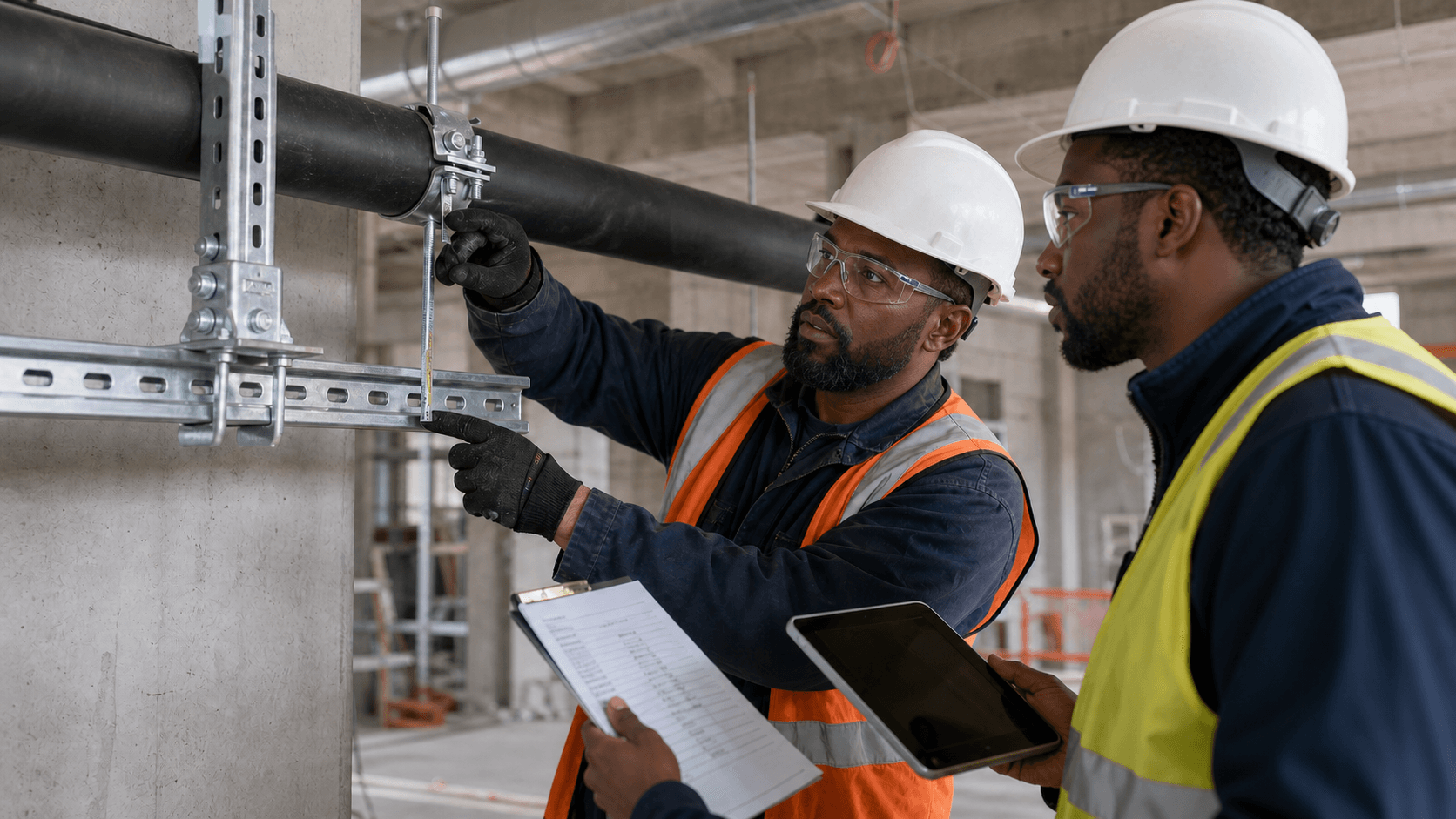
AI can give you a polished answer before you have fully worked out the question. That can be useful when you are staring at a blank page. It can also make an unfinished idea look more complete than it is.
Construction people already know this problem in another form. A report can be clean and still miss what happened in the field. A plan can look complete and still overlook a handoff. A proposed solution can sound reasonable until the superintendent, project manager, designer, or trade partner who knows the work starts asking questions.
If you have watched an AI draft fall apart under an experienced review, the problem may not be that the tool failed to write. The problem may be that it did not know what the work required, what conditions mattered, or what a good result had to include.
That is the gap I keep coming back to. AI can help us make more things. It does not carry the experience needed to decide whether those things are ready to use.
I came to AI through a coordination problem
Long before I used AI, I worked at a nuclear power plant. The coordination discipline there stayed with me.
If a task crossed department lines, even changing a light bulb could require people from as many as three departments to coordinate. That could feel like a lot for a small task, but the practice had a purpose. The team wanted the habit of coordination to hold whether the risk looked small or large.
An executive there raised another problem. The plant documented a tremendous amount of work, but the team could not easily search across everything it had collected. That question sat with me for roughly 15 to 18 years: what good is all that information if the people doing the work cannot find and use it when they need it?
When I first opened ChatGPT, I copied in a document and asked it to explain the material in different ways. I asked for an explanation a five year old could follow, then one for a ten year old, then an analogy based on cooking.
That experiment showed me something useful. A person can document work with care, and another person can still struggle to understand it. AI could help translate the same information into a form that gave the second person a place to start.
Translation matters, especially in construction, where designers, builders, owners, and trade partners may describe the same condition differently. But translation is not the same as judgment. Making information easier to read does not establish that the answer is complete, current, or right for the decision in front of the team.
A first draft gives the team something to inspect
One of the things I like about AI is that it helps with what I call the blank sheet problem.
You may understand the problem in your head but still hesitate when it is time to write the report, sketch the idea, or explain it to someone else. AI can help turn that rough thinking into a first version that people can see.
I learned a similar lesson when I worked as a photographer. When a makeup artist or hairstylist was trying to explain an idea, I would say, "Show me what you are talking about." Once the idea was visible, we had something we could question and improve together.
AI can help people do that. It can turn an idea into a draft, a simple example, or another explanation. A technical person can respond to it. A field leader can point out what will not work. Someone closer to the customer can show where the language misses the real concern.
That does not remove expertise. It gives expertise something concrete to work on.
The mistake is treating the first visible version as the finished product. AI may solve the blank sheet problem, but that is where the review starts.
Experience changes what you notice
During the Wired to Build conversation, I said that the people who benefit most will often be the ones who already understand the subject.
Someone who knows a work process can recognize when a step is out of order, when an assumption does not match the field, or when the answer ignores an important limit. They can also explain the work more clearly to the tool because they understand the goal and the conditions around it.
This is why I do not see construction experience becoming less valuable just because AI makes it easier to produce a draft. Producing and approving are two different jobs.
A convincing answer does not know which project record is official. It does not own the commitment behind a date. It does not feel the consequence of a missed condition. It does not decide whether an exception is acceptable. The people responsible for the work still have to make those calls.
That becomes easier when we define good before asking for the answer. In plain language, give the tool the right background, rules, limits, and goal.
Before starting, I would ask:
- What exact piece of work are we asking it to prepare?
- Which records or examples may it use?
- What must a useful result include?
- What is it not allowed to assume or decide?
- Who knows the work well enough to review the result?
Those questions are more important than finding a clever way to phrase the request. They turn an open ended conversation into a piece of work someone can check.
For example, a team could ask AI to explain an approved project procedure in plain language for a new field coordinator. The request could require section references, tell the tool to list unclear points instead of filling the gaps, and stop at a draft for an experienced coordinator to review.
The test is not whether the explanation sounds confident. The test is whether it keeps the meaning of the procedure, points back to the source, and helps the new coordinator ask better questions.
We cannot remove the learning and expect judgment to appear
The conversation also raised a harder question. If AI takes over more entry level work, where will people develop the experience to know what good looks like later?
I see a real opportunity for knowledge transfer. A newer person may not know the right question to ask someone who has spent 30 years in the work. The experienced person may carry stories, mistakes, and lessons that only surface when a particular situation brings them back.
Teams could interview experienced workers, keep the transcripts, and use AI to organize that material so a newer person has more ways to explore it. The tool can help make hard earned knowledge easier to find. The experienced worker still has to correct the record, explain the exceptions, and show why a lesson matters.
There is a counterpoint, and I do not want to hide it. The same tool that can help a newer employee become more capable can also tempt a company to decide it does not need to hire that person at all. Both possibilities are part of the conversation.
If a team removes the smaller tasks where people used to practice, it has to decide where practice, feedback, and increasing responsibility will come from. Otherwise, we may produce more work today while weakening the experience needed to judge that work tomorrow.
That leaves construction leaders with a useful question: are we only removing a task, or are we also removing one of the places where people learn what good looks like?
Good also means the tool does not create a larger problem
When Nick asked what people should consider before building with AI, security was the first concern I named.
A tool can appear to work and still handle information badly. That matters when it touches customer details, project records, company systems, or anything someone should not be able to see or change.
Before moving beyond a private, low risk draft, the team should be able to answer a few plain questions:
- What information can the tool see?
- Are we allowed to share that information with it?
- Where will the information and output be kept?
- Who can use the result or make a change?
- Who reviews the work before anyone relies on it?
An automated check may help find a problem. It does not prove the tool is safe. Security, privacy, and access still need accountable review.
This is another place where knowing what good looks like matters. Good is not only an answer that appears correct. It is work that stays inside the rules of the project and the responsibility of the people involved.
Try the idea on one piece of work you understand
If you want to see whether this approach helps, choose one small, low risk draft from work you already understand. It could be a plain language explanation of one approved procedure, a first summary of one current document, or a simple version of an idea you need to show a colleague.
Before using AI, write down three signs that would make the draft useful. Name the source it may use, what it must not guess, and who will review it.
Then compare the response with the real work. Mark what you would keep, what you would change, and what you would reject. Pay attention to why the misses happened. Was the source incomplete? Was the request unclear? Did the tool miss a condition that an experienced person noticed immediately?
Do not use the test for a safety, legal, financial, contractual, or other high risk decision. Do not share private project or customer information unless your company has approved the tool and the way it will be used.
At the end, ask one question: did the tool make the work easier to examine, or did it only make the draft faster to produce?
If the draft gave the reviewer a better starting point, refine the method and try it again. If it did not, change the setup, keep the work manual, or stop. Any of those choices can be the responsible result of the test.
AI does not need to know what good looks like on its own. It needs people who do, along with a method that makes their judgment visible.
That is the opportunity I see for builders. Use the tool to translate, explore, and get an idea onto the page. Then bring the habits construction already understands: context, coordination, documentation, inspection, and accountable review.
Source conversation
This article draws from my appearance on Wired to Build: AI Doesn't Know What Good Looks Like. You Do., published April 22, 2026.