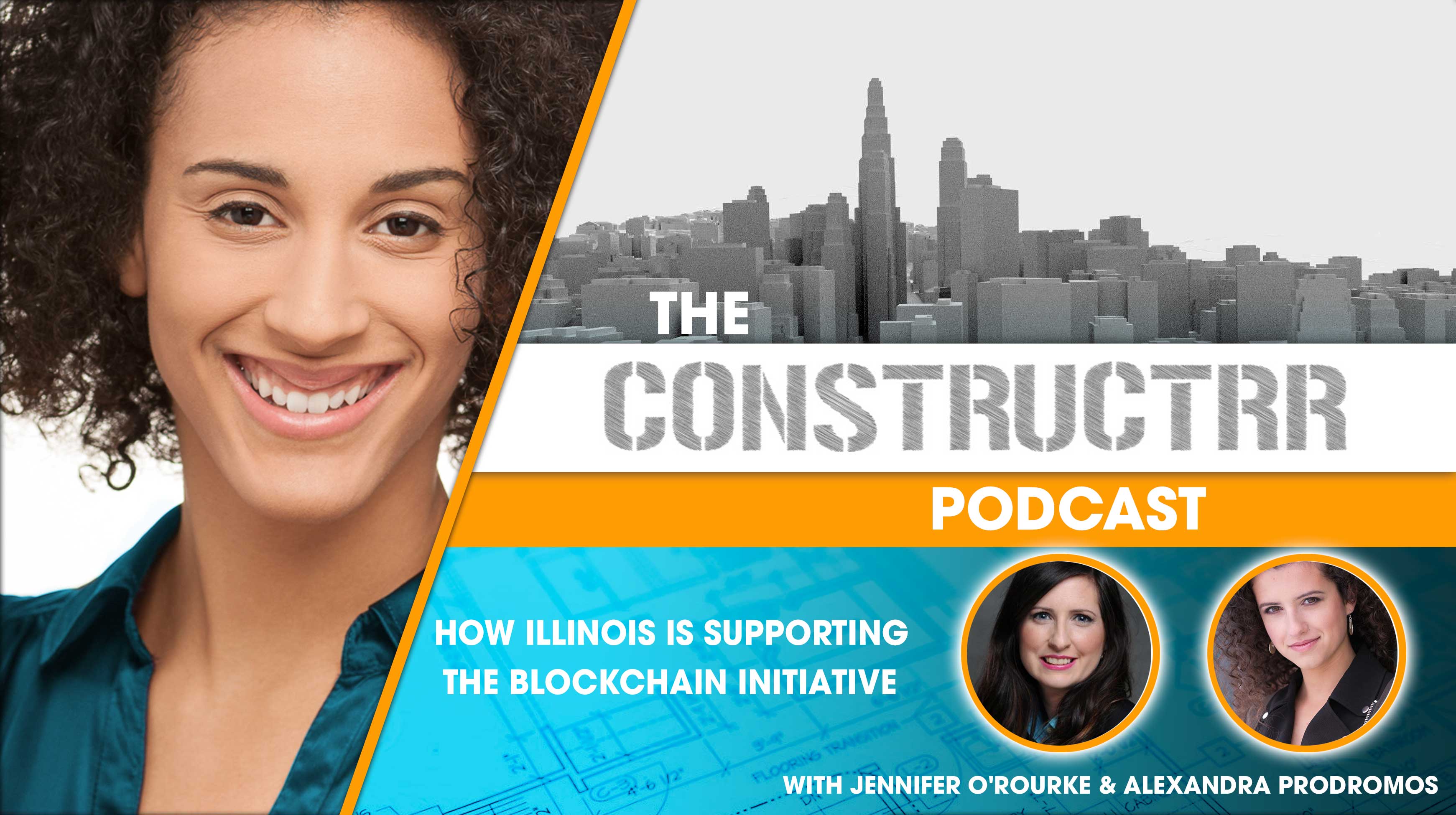
In 2018, Jennifer O'Rourke described the Illinois Blockchain Initiative as a three-part strategy: provide governance, build the ecosystem, and test the technology inside government. Lexy Prodromos explained how the Chicago Blockchain Center connected people and tailored education around that work.
The lasting value of the 2018 conversation is its emphasis on coordination. A public innovation program can announce a trial, but the trial sits inside policy, community, skills, and administrative decisions that must continue after the announcement.
Governance was meant to cross policy silos
Jennifer O'Rourke said the state wanted to act as an informed facilitator rather than only a reactive regulator. Her description placed governance across industries and agency silos so policy guidance could support the work horizontally.
The initiative's current status may have changed since 2018. The planning lesson is that a public trial needs someone responsible for translating between a technical use case and the rules, agencies, and public responsibilities around it.
Ecosystem support had to be specific to the audience
Lexy Prodromos described the Chicago Blockchain Center as a place for education, events, and connections across a growing local community. Jennifer described programs that treated developers, students, executives, startups, and public participants as audiences with different needs.
The two guests did not present education as one general awareness campaign. Technical learners received deep instruction, while business and public audiences needed different explanations and support. That specificity made the ecosystem work part of implementation rather than a separate promotional lane.
Government implementation stayed bounded to proofs of concept
Jennifer O'Rourke said the initiative created a roadmap with five government use cases, including land titles, academic transcripts, health provider registries, energy credits, and vital records. She described them as proofs of concept, not completed statewide systems.
Later, Jennifer explained that the team wanted its learning, relationships, and task-force findings to survive changes in leadership. Lexy Prodromos described the center's role as “connective tissue” for people and organizations that otherwise stayed apart.
For any public innovation program, the next planning step is to place one proposed trial beside its policy owner and its learning audience. That makes it easier to see whether the work has support in all three lanes or is being asked to stand alone.